
Best Natural Supplements For Depression And Anxiety
- April 2, 2026
- Posted by: olivia
- Category: Health Tips
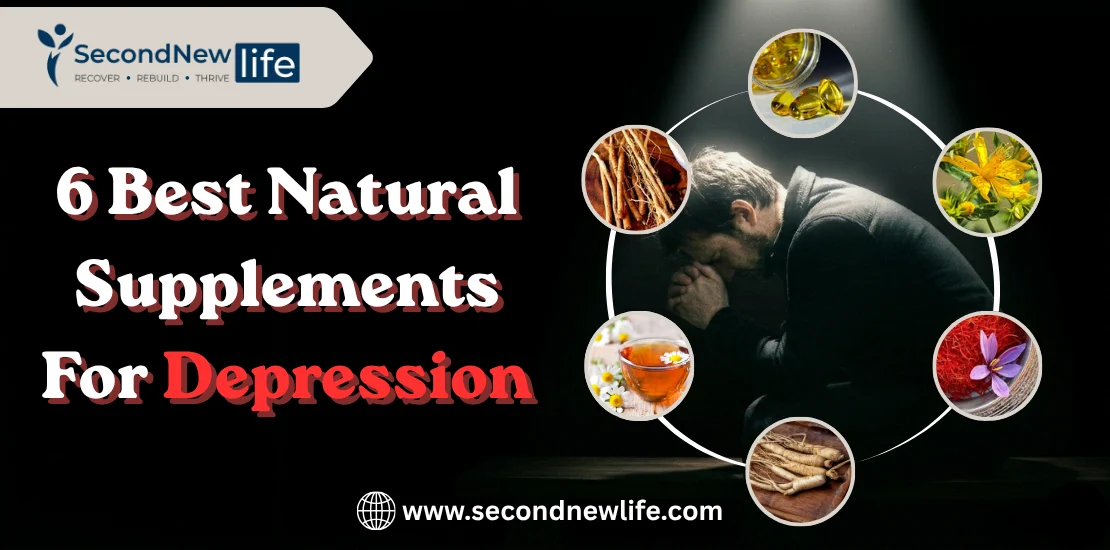
Dealing with depression and anxiety is hard and I mean really hard. But the thing is, a lot of people worldwide are depressed and you are not alone. Recently collected data shows that approximately 4% to 5% of the world’s population is affected by depression which is 332 – 400 million people. But there is some good news. While depression can be a major threat if left untreated, we do have some solutions to it. While many people find salvation in therapy and medication, many like to get some additional support from natural supplements. In this article we will explore more about natural supplements for depression management and learn about exactly What are natural supplements for depression.
What Does Depression Feel Like?
Depression varies from person to person and also depression is different from anxiety. While every other person experiences depression differently there are some common symptoms for almost everybody. You will feel an overwhelming loss of interest in everything often accompanied by feelings of worthlessness and extreme fatigue. Needless to say, it goes beyond sadness frequently manifesting as physical pain, irritability, difficulty concentrating, sleeplessness and loss of appetite. A person suffering from severe depression may actually lose their ability to think straight and can go psychotic. A very obvious question that comes to mind now is, are there ways to avoid this fate naturally?. And if yes then what natural supplements are good for depression?
6 Best Natural Supplements For Depression And Anxiety
1. Omega-3 Fatty acid
Omega-3 fatty acids are considered one of the best natural supplements that help with depression as they support healthy brain cell membranes to grow and reduce neuroinflammation. It is found in fatty fish like sardines and salmon but is also available in a supplementary form at medical stores. Many studies have shown that people suffering from depression often have a low level of omega-3 in their bodies. Supplementing those people with Omega-3 capsules may help improve their symptoms especially when it is combined with other doctor-prescribed medications.
2. St. John’s wort
It is a flowering plant and it is used as a dietary supplement to treat mild depression. It can be as effective as some regular antidepressants and is said to have fewer side effects. But it is also known to interfere with other medications. It can affect birth control pills, heart medications, HIV medications and some cancer drugs too. This is why medical professionals speak out against the use of this herbal supplement.
3. Saffron
A 2020 review of 12 studies found some evidence that Saffron may have antidepressant properties and it may help reduce depression symptoms. But this is also not a long-term solution because saffron in a moderate dose is likely to do no harm to most individuals. Higher doses may cause upset stomach, vomiting, and headache. Higher doses can also result in much more serious side effects like bleeding problems and they can also have an effect on the working of different medicines
4. Ginseng
Ginseng is also commonly known as man-root, is found in many different regions of the world and is often recognised by its regional name such as Asian, Chinese, Korean Ginseng and American Ginseng. It contains a chemical called ginsenosides which is often theorised to reduce depression symptoms. As for the Research done on Ginseng to date doesn’t hold much evidence of it working as an actual antidepressant and unfortunately it also comes with some side effects including changes in menstruation, increased heart rate, breast pain, blood pressure, loss of appetite, digestive problems and headaches.
5. Chamomile
Chamomile holds certain benefits for people struggling with depression and anxiety. Especially the German chamomile. Further studies are required to confirm the actual benefits of chamomile for depression. A study conducted on 179 participants with generalised anxiety disorder in the year 2020 shows that all of them experienced an anxiety reduction. It was also seen that their depression symptoms got better. The study concluded that the chamomile dose holds antidepressant properties
6. Ashwagandha
Ashwaganha is deeply rooted in our traditional Ayurvedha. It is known for its adaptogenic properties that enhance your body’s natural ability to deal with stress and anxiety. Ashwagandha regulates the body’s cortisol level (stress hormone) and manages the impact of chronic stress on your mental health. It also helps you get more sleep at night which in result makes you less fatigued. But like any other supplement on this list Ashwagandha also has some side effects if consumed in higher dosages. gastrointestinal distress (nausea, diarrhea), drowsiness, liver injury. An overdose of Ashwagandha can make you numb to both positive and negative emotions.
Alternative Options For Depression
Depression has been in the world long enough for us to have multiple ways to treat it. Now Natural supplements can surely help with depression but it isn’t the only way. We have got many medically proven ways to treat it as well. Some of them are anti-depression medicines and therapy.
Medications That Help Manage Depression
What you need to understand is that supplements are only for extra help. They should not replace your traditional medication. These supplements are dietary supplements and not pharmaceutical drugs. It is in your best interest to consume them as complementary to your medication. Medicines like Prozac and Zoloft are often the first choice due to fewer side effects. These medicines are only to be taken in moderation with an actual consultation with your doctor.
Not everyone likes to take medication because it has some adverse effects that impact their physical and mental health. In this case you can take the help of therapy to reduce depression.
How Can Therapy Help Reduce Depression?
Therapy is another popular and effective way that people take to fight off depression. One of the major reasons behind depression is loneliness. When people have no one to talk to they usually forget how to communicate their problems and thoughts. That is where therapy comes into play. Therapy can provide a safe place for you to talk your negative thoughts out through which you can then process difficult emotions and develop a healthy relationship with your thoughts. Therapies like Cognitive behavioural therapy (CBT) and Family counselling can surely be of help.
Conslusion
These supplements can help reduce depression and anxiety symptoms but they do have drawbacks. Stay careful not to overdose on anything and let your doctor in on your condition. They can better assess the situation and give guidance accordingly. Depending on any of the substances, though they are natural, is not recommended.