
Gabapentin (Neurontin) Addiction Treatment With Secodnewlife
Addiction to gabapentin has rapidly increased over the past decade about 22% annually. The recognition of abuse of gabapentin as an emerging threat, and the opioid epidemic, is detected especially in individuals with a history of opioid addiction. Nowadays, gabapentin addiction recovery options have been chosen by the suffering individual to tackle the substance use disorder from gabapentin. It gives major treatment options for long-term recovery when someone needs a cure for Neurontin addiction. SecondNewLife not only provides gabapentin addiction treatment support, but also advanced medical detoxification and multiple therapies for these addictive substances.
Understanding Gabapentin (Neurontin)
Gabapentin was introduced in 1975 to treat spasticity & neuropathic pain. Gabapentin is an FDA-approved medication that is used for treating partial seizures, postherpetic neuralgia, & multiple types of neuropathic pain. In the medical market, Neurontin (GabaPentin) is available in brand-name forms, such as Horizant, Neurontin, & Gralise. More common use is to alleviate symptoms of postherpetic neuralgia (PHN), a chronic, painful condition. In a 2019 report, approximately 69 million prescriptions for gabapentin were dispensed in the United States, which shows that Neurontin is used to treat various medical conditions, such as neuropathic pain & seizures.
While the medical prescription is safe when gabapentin is taken under the supervision of healthcare experts, over time, the misuse of the drug has led to dependence and changes in behavior. Understanding how the brain is affected by gabapentin is an important step to recognizing the need for treatment of gabapentin addiction. Understanding cognitive impairment and mental deterioration are the two important steps to identify treatment for gabapentin addiction and recognize how gabapentin causes memory loss.

What is Gabapentin Addiction called?
Gabapentin addiction refers to the misuse, abuse, and dependence. Frequent use of gabapentin causes physical and psychological addiction, or they combined with other substances. Gabapentin and Oxycodone are one of the dangerous combinations when they are taken together for pain. Neurontin misuse has also increased significantly in the past few years. Neurontin abuse increases when mixed with other drug abuse, especially in individuals who mix it with opioids, alcohol, or other substances. The abuse of Neurontin and other opioids generates higher risks of respiratory depression and opioid-related overdose and death.
While considering the addition of gabapentin is a risky factor that causes life consequences. In clinical settings, professionals are described as overcoming the process of dependence as part of gabapentin abuse treatment, which focuses on addressing the physical effects of the drug and the behavioral patterns connected with misuse.
Signs of a Gabapentin Addiction
The first stage is to notice the warning signs of gabapentin abuse and get help. The gabapentin can be abused by people in different ways, such as misusing the drug by getting extra doses, taking more than their doctor prescribed, or mixing it with other drugs to feel calm. The following signs may show that someone is misusing or becoming dependent on gabapentin:
- Continuously skipping or not focusing on school, work, & daily activities
- Risky Behaviour and actions
- Legal trouble
- Secretive behavior
- Soft-pedal concerns about drug use
As dependence grows, the withdrawal process becomes complicated. Identify the early signs that allow an individual or a group to admit professionals and start recovery from gabapentin addiction before it leads to a serious condition. As per safe healthcare practice, gabapentin cannot be withdrawn instantly, but can be substituted with alternative doses of gabapentin. If you or your loved one is struggling with Neurontin addiction, the professional experts at SecondNewLife can help you recover from addiction. SecondNewLife offers multiple treatment options that help you in your addiction recovery.
Side Effects Of Gabapentin Abuse?
Gabapentin may cause some distressing side effects. When Gabapentin is taken as prescribed, its side effects are mild. Some common side effects of Neurontin include:
- Drowsiness or dizziness
- Headache or blurred vision, double vision
- Nausea, vomiting, diarrhea, costiveness
- Dry mouth
- Weight gain
- Weakness
- Swelling of the hands, feet, & ankle joints
- Back or joint pain
- Symptoms such as fever or body pain.
These risks highlight the medical guidance when an individual misuses the drug. For the people who are experiencing ongoing misuse and hazards, seeking gabapentin dependence treatment that helps to identify immediate health concerns and reduce the substance misuse. Gabapentin is not for pregnant women. An Obstetrician can guide whether to take gabapentin during pregnancy or not. It may affect both the mother’s and the child’s health during pregnancy. Gabapentin should not be a primary preference when it comes to managing pain. It needs individual supervision under expert consultation.
Common Gabapentin Withdrawal Symptoms
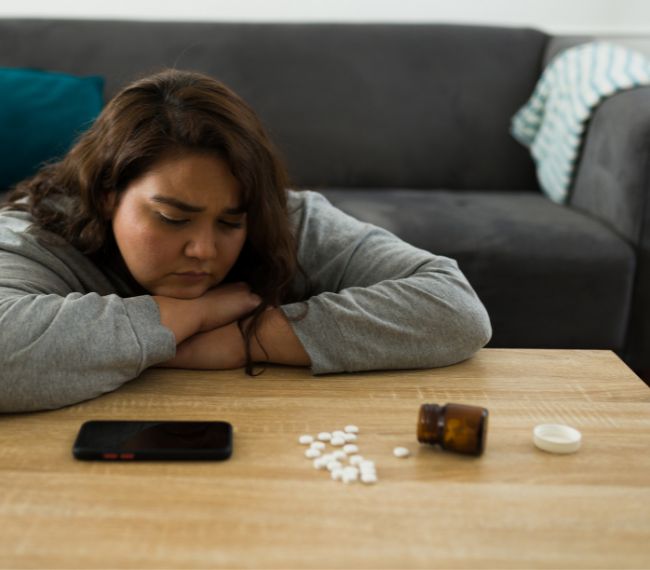
After using Gabapentin continuously, people may become dependent on it. If use of Gabapentin slows or stops suddenly, withdrawal symptoms can arise. Here are some withdrawal symptoms after stopping Neurontin abuse:

- Agitation
- Anxiety, depression
- Incompetence to remain still, restlessness
- Disorientation
- Headaches
- Confusion or difficulties in sleeping
- Fast or unusual heart rate
- Seizures (possibly severe)
Gabapentin Addiction Treatment at SecondNewLife
At SecondNewLife, every treatment program is given easier support to the individual through several detoxification processes. The process carries long-term recovery planning and family counseling for effective life growth. With the structured care plan and proper mentorship, people with gabapentin abuse can begin a new journey towards a healthy life through a comprehensive gabapentin addiction treatment program made to their specific needs. Treatment is available that helps you recover from Gabapentin addiction. Our various treatment programs may include various types of care, including:
Family Therapy or Counseling
Our family counseling program is effective, healing, & designed to meet your needs. This therapy helps to rebuild trust within the family and repair relationships.
Group therapy
This therapy helps individuals to provide a safe, supportive environment for individuals to share their thoughts and experiences without judgment.
Cognitive behavior therapy
In gabapentin addiction recovery, Cognitive behaviour therapy helps people to change their emotional responses & behaviors. This is a highly effective, fact-based treatment approach for Neurontin addiction recovery.
Medical detoxification
The Medical detoxification program is set to combine medical management with healthy nutrition and rest to ensure that you feel supported from day one in Gabapentin addiction recovery.
Aftercare planning
Our after-care planning helps people to support their long-term recovery. We offer ongoing therapy and counseling, or relapse prevention strategies in our aftercare planning.
Start Your Neurontin Addiction Recovery Journey With SecondNewLife
If you or your loved one is struggling with Gabapentin addiction. We provide the best treatment for Gabapentin addiction, which often involves a combination of family counseling therapy, medical detoxification, and more therapies to address both the physical and psychological aspects of Gabapentin addiction.
At SecondNewLife, we offer evidence-based treatment to help those people who are struggling with Gabapentin addiction. Our professional experts provide an extensive treatment program tailored to each individual’s unique needs. Early medication can prevent further harm and set the base for a healthier future.