
Is Naltrexone a Controlled Substance? Understand Legal Classifications & Safety Insights
- March 17, 2026
- Posted by: olivia
- Category: Health Tips
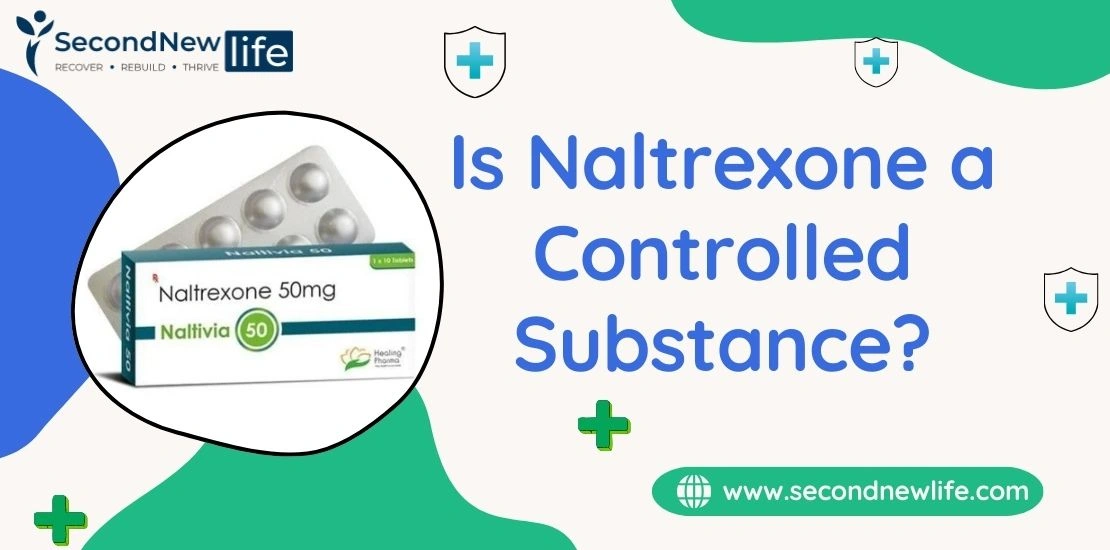
Naltrexone is a vital supplement that works against the overuse or addiction of opioids and alcohol. But just by knowing only the basic uses, taking these drugs can be dangerous for an individual. The article, Is Naltrexone a controlled substance, explains everything about the working, effectiveness, risks, benefits and addiction treatment processes to help patients before consuming the tablets. Though Naltrexone is an important medication for opioid and alcohol addiction recovery, you should be more careful. Talk to the professionals to get a basic idea of the functions of Naltrexone during addiction therapy.
What Is Naltrexone And How Does It Work?
Naltrexone is an opioid antagonist drug advised to treat alcohol and opioid abuse disorders. It helps individuals to recover from addiction. Naltrexone is not an opioid medication. Before consuming, people should know how does Naltrexone work in the body. It basically targets the opioid receptors. The opioids trigger the release of a pleasure chemical called dopamine. These are nothing but the receptors. The Naltrexone pills oppose the dedicated receptors to push back the formation of pleasure feelings. It is suggested to stop taking opioids before you consume Naltrexone for addiction recovery.
Is Naltrexone Classified as a Controlled Substance?
For people addicted to alcohol, Naltrexone tablets are the ultimate option, which can help them detach. The experts mainly suggest Naltrexone for alcohol dependence and opioid addiction. It is not a controlled substance and is not available over the counter, either, because it is a prescription-only drug. As an antagonist medication for opioids, it is also used for the treatment of prescription drug addiction. Especially, Naltrexone needs a doctor’s supervision for assurance of safety because it can cause multiple side effects and unusual health risks if not used properly.
Is Naltrexone Addictive?
Despite its property to oppose the use of narcotic drugs, Naltrexone is not an addictive drug. Doctors suggest it as a way to combat opioid and alcohol abuse to stop the pleasurable effects of these harmful substances. One can not get addicted to the use of Naltrexone. Also, it never makes you feel high. Once you stop taking these tablets, you will not have any regular negative health risks or adverse effects. But from the safety corner, patients must follow some clinical instructions, such as avoiding taking opioids some days before starting to take Naltrexone pills.
What are the Medical Uses of Naltrexone & Benefits Over Addiction?
Naltrexone is a non-addictive medication that helps people with opioid addiction and alcohol abuse. You can take one pill daily in tablet form or a monthly injection form. It does not cause any dependency and also does not have any withdrawal symptoms. Still, people are confused, is Naltrexone a controlled drug? Practically, it is not considered a controlled substance. The dosage varies as per the patient’s health condition. You can take it with or without food. Consuming a heavy meal can decrease the possibility of nausea.
Health Benefits of Naltrexone
Naltrexone therapy is highly beneficial for most people. Let us break down the benefits of the Naltrexone drug agonist for prescription drug addiction.
- Reduces the intake of drugs that cause addiction
- Stops the generation of unnecessary pleasure response from the substances to avoid the reuse of the drugs.
- Due to its non-addictive property, Naltrexone does not affect the brain nerves and avoids dependency.
- In most cases, the liquid form of Naltrexone is helpful for long-term recovery.
- It has minimal and manageable side effects.
- Beneficial for mental health and pain relief.
Side Effects & Risk Factors
People may experience different kinds of unusual effects by the time of using Naltrexone medication. Is Naltrexone a narcotic? According to the doctor’s opinion, it is not a narcotic or neuropathic drug and they mostly suggest taking Naltrexone to counter opioid or alcohol addiction. Aware of the negative effects. As it has a lower addictive potential, the effects are resolved over time. The necessary side effects are mentioned below.
Major Side Effects
- Liver injury
- Unusual weakness
- Skin rash
- Rigidity
- Unwanted body reactions
- Unusual bleeding
- Tiredness
- Red spots on the skin
Minor Side Effects
- Chest pain
- Stomach pain
- Breathing issues
- Rapid weight gain
- Blurred eyesights
- Mood swing
- Insomnia
- Muscle pain
- Sore throat
- Runny nose
Who Should Avoid Naltrexone Drugs?
Several factors matter when you use or do not use Naltrexone medication for addiction. According to the Naltrexone drug classification, it is an opioid drug anti-depressant which the doctors generally use in cases of opioid and alcohol addiction. But it can be harmful for some people having specific health issues that are listed below.
- Not suitable for patients with liver failure, kidney disorders and hepatitis.
- Avoid if you continue to use narcotic analgesics
- Do not use if you notice any opioid withdrawal symptoms
- Patients failed the Naltrexone challenge test.
- Hives to Naltrexone
- Kids are not allowed to take these drugs
- Never take during suckling or delivery
What to Avoid When Taking Low-Dose Naltrexone?
It is less reactive with the normal function of the brain because it is not a controlled substance. During Naltrexone treatment, patients should avoid using certain interactive substances and also know what drugs does Naltrexone blocks. The negligence is responsible for the occurrence of several side effects and health risks. Some of the interacting factors are mentioned below.
- Consuming alcohol
- Narcotic analgesic drugs
- Thyroid medications
- Immune system suppressive tablets
- Follow the exact time of consumption
- Codeine
- Oxycodone
- Tramadol
- Cough medications
Necessary Precautions for Using Naltrexone
Undoubtedly, people worldwide prefer Naltrexone for opioid addiction due to its huge effectiveness but there are also several significant risks and precautions associated with it. As it mainly works as an agonist of opioids, any careless activity can lead to sudden opioid withdrawal symptoms. Understand is Naltrexone addictive, as well as all other necessary precautionary measures to avoid negative health reactions.
- Avoid if you have an allergic reaction to Naltrexone
- Stop opioids 7 to 10 days before taking Naltrexone tablets
- Depression or kidney disease
- Do not take if you are pregnant or breastfeeding currently
- Take one tablet a day at the exact prescribed time
- Never take methadone or buprenorphine
- Store the tablets properly
- Take Naltrexone at night only
Conclusion
Naltrexone is a proven medication that is advised to treat opioid or alcohol use disorder. It is not a controlled substance, so it does not have a more significant impact on the central nervous system. Before use, one must take the suggestion from the experts to know the pros and cons of consuming these vital drugs. If you are obsessed with prescription drug addiction, read the entire article where all the required information is discussed, including the mechanism of Naltrexone, uses, benefits, side effects, safety precautionary measures and addiction treatment. Evaluate the key points before taking the pills to ensure proper use and get favourable results.