
Suboxone vs Methadone: Which Work Efficiently For Opioid Use Disorder?
- February 14, 2026
- Posted by: olivia rodrigo
- Category: Uncategorized
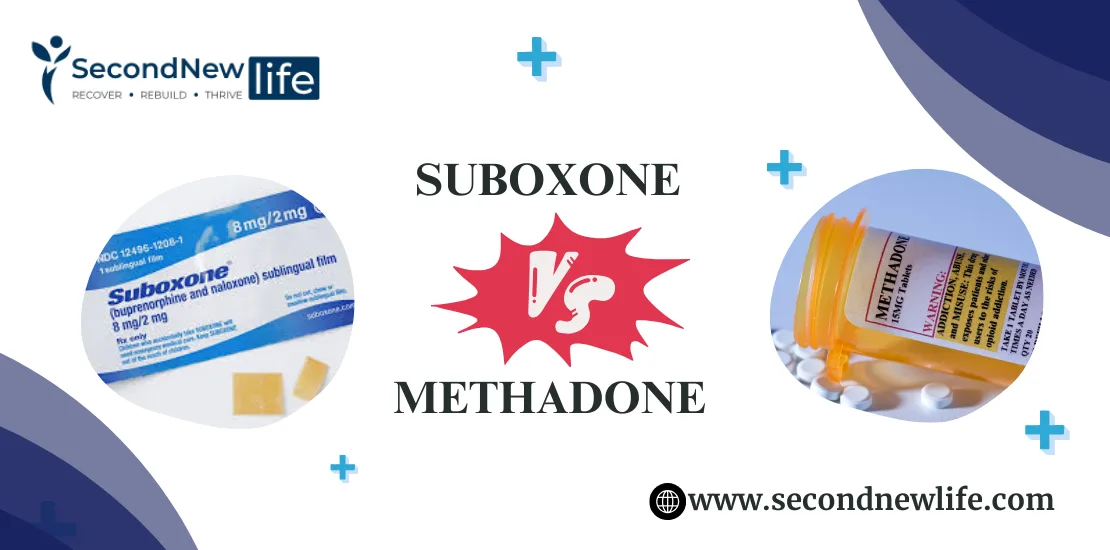
Opioid addiction is a profound global crisis with health, social, and economic consequences. It affects millions of people all over the world and causes preventable death in over 100,000 people annually. In contrast, opioid addiction treatments make it possible to regain control of your life without any harm. If you are searching for the best opioid addiction treatment drug, then you must check out these two powerful opioid painkillers, Suboxone and Methadone. In this article, we’ll find out which is the smoothest and most effective drug compared to Suboxone vs Methadone.
Overview of Suboxone vs Methadone
Suboxone and Methadone are the two drugs that are widely prescribed to those who are suffering from opioid use disorder(OUD). While both drugs bind to the opioid receptor to work efficiently and differently based on their need in different circumstances.
Suboxone and Methadone are different drug whos works for a single problem. Both are best for pain management and opioid addiction treatment. Binding with the opioid receptor of the brain to reduce the pain and help to control unusual activity that indicates opioid use disorder. This process is for both medications, but in different conditions. Methadone fully works on the opioid receptor for a long while, called “full opioid agonist”. Suboxone works temporarily on the receptor for a limited period, called a “ partial opioid agonist”.
Understanding Suboxone
Suboxone is an opioid addiction treatment medication. It is proposed to treat addiction to opioids like morphine, heroin, or other painkillers. Suboxone works by binding to a brain receptor and blocking other opioids to give calm with OUD control. It contains other ingredients (buprenorphine and naloxone) that help an individual’s recovery and reduce withdrawal symptoms. Due to its partial opioid agonist, it works for a shorter time, and is recommended as a primary beginner drug to prevent opioid addiction.
Understanding Methadone
Methadone includes long-term use and a higher risk of overdose. It contain active ingredient called methadone hydrochloride. It is a strong synthetic opioid to manage pain as well as OUD control. Methadone act same as the other strong opioids, including heroin and carfentanil. Due to its higher potential property, this can be restricted for some countries. Only this medication is available in opioid treatment programs.
Key Differences Between Methadone and Suboxone
Suboxone and Methadone are commonly determined by the small comparison guides such as ingredients, mechanism, or strengths. But if we consider the depth of these two medications, which one stands out better, and is more effective in terms of individual health connectivity, and has the safest side effects. If we added some key differences like side effects, withdrawal symptoms, potential for abuse, and Medication access, then we would conclude which is better, Methadone or Suboxone.
Safety Profiles Compared
Suboxone has fewer bad effects, so overdosing is less likely even with higher doses. Like buprenorphine, methadone is a full opioid receptor agonist, which means it is potentially more hazardous without proper supervision. When combined with other drugs that slow breathing. Suboxone, however, causes less trouble with breathing. When administered for opioid it is harmful in pregnancy; physicians often prescribe Suboxone because newborns may experience a milder withdrawal after birth.
Side Effects of Methadone vs Suboxone
Methadone and Suboxone have a positive side in opioid addiction treatment, but have some side effects during the medication use period. Like other opioids, they have some side effects that are pretty similar to each other, except that those side effects hare are different as below:
Side effects of Suboxone
- Constipation
- Vomiting
- Nausea
- Headache
- Serious dental damage
- Slowed breathing
- Anxiety
Side effects of Methadone
- Dizziness
- Dry Mouth
- Vomiting
- Itching
- Insomnia
- Hallucinations
- Hives
Both side effects are common and severe for the different conditions of use. Always follow the prescription and consult with a healthcare expert.
Mortality and Long-Term Outcomes
Research finds that people using Suboxone have fewer deaths than those using Methadone for therapy or opioid withdrawal. Still, people use methadone as an opioid treatment with the supervision of a healthcare expert. Overdose risk drops more sharply with Suboxone, giving it an edge. Yet how serious someone’s dependence is can shift which medication works best.
High Risk And Abuse of Suboxone vs Methadone
Methadone and Suboxone are both highly effective for opioid use disorder when taken as prescribed. As with every schedule control drug, they are enough potential for abuse, addiction, and misuse. The truth is that they belong to different regulated controlled substances, and still have records of misuse and overdose. As per the FDA, Methadone has a higher potential for abuse than suboxone.
Withdrawal Symptoms under Opioids
Withdrawal symptoms are the signs of being sick or feeling weak. Stop using any medication suddenly may cause withdrawal symptoms. In the case of opioid medication, it is called opioid withdrawal symptoms. Some symptoms seem the same for both, such as nausea, vomiting, diarrhea, insomnia, and sweating. Besides this, here are some Withdrawal Symptoms of Suboxone, followed by Methadone:
Suboxone withdrawal symptoms
- Intense cravings
- Muscle aches
- Mood swings
- Fever
- Irritability
- Lethargy
Methadone withdrawal symptoms
- Runny nose
- Abdominal cramping
- Anxiety
- Depression
- Increased blood pressure
- Dilated pupils
FAQs
Which is better, Methadone or Suboxone?
Neither Methadone nor Suboxone is better. Both are used for Opioid use disorder, with different conditions; they work differently. Methadone is for severe addiction, healthcare visits with high overdose risk, whereas Suboxone is for low risk, flexible, and prescribed home use.
If I have Methadone in my system, can I take Suboxone?
No, it may trigger sudden sickness and illness. You must wait up to 72 hours after taking your Methadone dose. Consult your doctor and follow according them.
How long after using opioids can I take Suboxone?
For weak opioid medication, wait up to 12 to 15 hours. For any strong opioid like Levorphanol or Methadone, wait up to 48 to 72 hours. To keep away from drug interactions.
Can I take Methadone and Suboxone together?
No, you should not take Methadone and Suboxone together because it may cause an overdose and side effects.
Conclusion
There are hundreds of medications available in the market that claim they are the best opioid addiction treatment medications. Choosing the best medication for your health is not an option; it is your choice. Suboxone and Methadone are the medications that always stand as your healthcare friend when it comes to diseases like opioid addiction. Contact your pharmacist, continue your drug, and follow the safety guidelines for quick relief.
