
What Are the Stages of Drug Addiction? A Complete Guide
- March 10, 2026
- Posted by: olivia rodrigo
- Category: Uncategorized
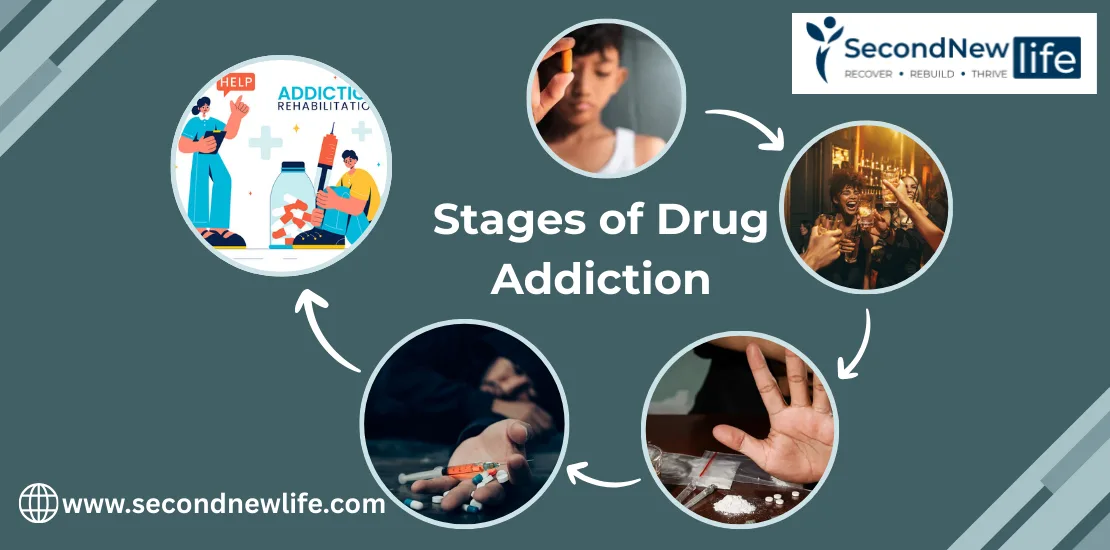
In 2026, worldwide distress is increasing rapidly when it comes to health and wellness. Over 1 billion people are living with different health crises. Drug addiction is one of the most vulnerable crises for young adults. It is a serious problem that affects a person’s physical and mental health. For now, young adults are getting more involved in drug addiction. Some physiologists claim that drug addiction is followed by different stages. In this article, we’ll understand the stages of drug addiction, which help people find out the signs of early addiction and the different treatment options to overcome them.
Some people are questioning “how many stages of addiction are there?” because on the internet, there are a lot of articles mentioning different stages of drug addiction. Some articles claim 4 stages of drug addiction, some claim 7 stages of drug addiction, but the confusion ends here. Read this article to get to know the exact drug addiction stages.
What is Addiction to Drugs?
The addiction to drugs is not a spontaneous effect that occurs within two to four days. The long-term use of a drug or repeated abuse of a substance can lead to addiction. It is defined as a chronic and relapsing brain disease that disturbs social and mental health. Not only drug addiction, but it is also known as substance use disorder. It affects the brain of an individual and creates the mind-altering effects and behaviours that are associated with the uncontrolled use of legal and illegal drugs.
There are different stages to addiction, but being addicted to a drug is a danger sign for an individual who has been using the drug for a long time. Every drug has its limitations. Using the drug without a prescription or abusing the drug causes severe side effects and leaves threatening consequences. Some drugs are highly addictive, which carry long-term and short-term demerits, including methamphetamine, opiates, opiate, and alcohol. But when we follow the footprints of the addicted drug, we should know the signs of drug addiction for easy determination.
Signs and Symptoms of Drug Addiction
Identifying the signs of substance abuse before becoming addicted to the drug. The signs of symptoms are likely visible in the individual during the addiction phases of regular drug use. Most people continue taking the drug to get the relaxing effects and pleasure. But it can be dangerous to force someone who is experiencing these three common signs.
- Physical signs of drug abuse
- Psychological signs of drug abuse
- Behavioural signs of drug abuse
The drug addiction signs of these three conditions represent the different states of human nature. Physical signs indicate the Interrupted physical pattern changes in the body. Psychological sign indicates the mental states of the body due to the daily use of a drug. Behavioural signs show a suspicious and sudden change of behaviour that affects daily life and workplace environments. All the symptoms are mentioned below under the appropriate signs of drug abuse.
| Physical Signs of Drug Abuse | Psychological Signs of Drug Abuse | Behavioural Signs of Drug Abuse |
| Insomnia | Uncomfortable feeling | Increased aggression |
| Hallucinations | Depression | Change in attitude and personality |
| Nausea | Anxiety | Change in activities |
| Sweating | Paranoia | Irritability |
| Runny nose | Mood swing | Suspicious behaviour |
| Increased appetite | Obsessing over drugs | Forgetfulness |
| Deterioration of hygiene | Changes in cognitive ability | Loss of interest in the relationship |
Note: The signs of substance abuse may vary according to the quantity and different substances used. The person addicted to alcohol and heroin has a higher chance of facing severe symptoms. Advice to care under a professional to avoid dependency.
5 Stages of Drug Addiction
Addiction to drugs is a complex problem that can unfold in distinct stages. The phases of drug addiction are different and uniquely structured one by one to understand the process of drug addiction. These five stages of drug addiction claim that an individual can feel difficulties when they pass every stage. But every stage warns you where your addiction level is. If you find somewhere you feel exactly happening with you, then consult your doctor and take the proper treatment.
Stage 1: Experimentation
The experimentation stage is considered the first stage of addiction. This is the first time the use of drugs has occurred for an individual who has never experienced it before. Some young adults have heard from their friends or have the curiosity to know what happens after taking drugs. The experimentation with drugs is mostly seen in parties, festivals, bars, and some used to boost their confidence.
Some people stop using drugs when they feel low and find the drawbacks of the drug, but other people fail to control themselves and take the drug regularly. When it was processed to the next stages of substance use, it became a little bit harder to overcome and affect the real world, to struggle to stay sober.
Stage 2: Regular Use
The experimental drug use is becoming a regular use when an individual or a group adds the consumption of a drug to their daily routine. Regular use of the drug reduces the confidence level of the person after achieving their desired high. The problems with the regular use of drugs increase the substance dependency to a next level, where a person can face difficulties getting back to normal. With respect to the regular use behaviours of an individual, changes to suspicious, visibility of anxiety, depression symptoms, and drunk driving.
Stage 3: Risky Use or Substance Abuse
Risky use is the stage where an individual wants to stop using a drug, but they can’t. Because in the stages of substance abuse, the addiction is at its peak level, where it craves more drugs to keep normal and achieve more pleasure. The stage of regular use is the normal stage of getting addicted, while substance abuse increases the risk more than two times that of regular use. In this stage, people are taking high doses, also mixing other doses like alcohol with heroin to get more calming effects.
Stage 4: Drug Addiction and Dependency
This is the 4th substance abuse stage, which indicates the brutal nature of the addiction to the drug. This stage is highly involved with psychological and physical dependence on an individual’s body. People exhibit different abnormal activities than normal when they get addicted to the drug. Addiction to substances directly strikes the individual’s brain, body, and behaviours. The addicted person feels intense craving, side effects, withdrawal symptoms, and negative responsibility that affect family and relationships.
Stage 5: Crisis/Treatment
The final stages of an addiction to drugs are the turning point in life. Some people claim the stage after addiction is called a crisis due to the high risk and life-threatening consequences. When people are over addicted to the drug, they cannot imagine their life without the drug; they feel that only the drug can heal them. But other people see a hope to stop using drugs and start a new life with a new journey with the help of addiction treatments. This process is defined as “Say no to Drugs”. The stage is very critical and needs treatment as soon as possible.
Important: These five stages define how a person slowly gets addicted to a drug. This information is only for educational purposes; consult the addiction rehab centers if you suffer from any of these stages.
Finding Treatments for Drug Addiction
People try different treatment options for different drug addictions. Common people are always looking for effective and affordable options for their health; on the other hand, well-known people refer to luxury and private rehab centers for drug addiction treatment. But in different cases, the aim is to be treated for drug addiction. These are three different treatment options for an individual or a group who are looking for addiction treatment.
Private Rehab
The private addiction treatment access is through private funding or health insurance. It offers advanced techniques for therapy, like personalized treatment plans, inpatient, outpatient, and aftercare planning for the individual as a service.
Counselling
Many people talk to psychotherapists through the counselling process. Where the individual and the family consult a professional health counsellor online or offline, and discuss the personal experience during addiction. When the therapy is executed, it takes various practices and long-term processes. It included group and individual therapy, trauma therapy, grief counseling, and family counseling.
Support Groups
Support groups are a combination of individuals who share their experiences and find recovery options to achieve freedom from addiction. These meetings are free for those people who can not afford residential care. This treatment option enhances self-awareness, empathizes and supports each other, and encourages people to stay positive about drug addiction. This technique is the primary and least effective. It can be accessed online and in person.
Conclusion
In conclusion, drug addiction is increasing symptomatically through several stages for an individual who no longer experiences drug use. All the 5 stages of drug addiction are noticeable when you are looking for consumption or withdrawal. It started from curiosity, experimentally, and led to dependence and addiction to the drug. Identifying the earlier stage to prevent drug use and seeking treatment. Addiction to drugs is a habit which is overcome through the right guidance and therapy to regain a healthy and productive life.