
Psychological Dependence On Alcohol: Understanding Symptoms, Risk and Recovery Options
- March 6, 2026
- Posted by: olivia rodrigo
- Category: Uncategorized
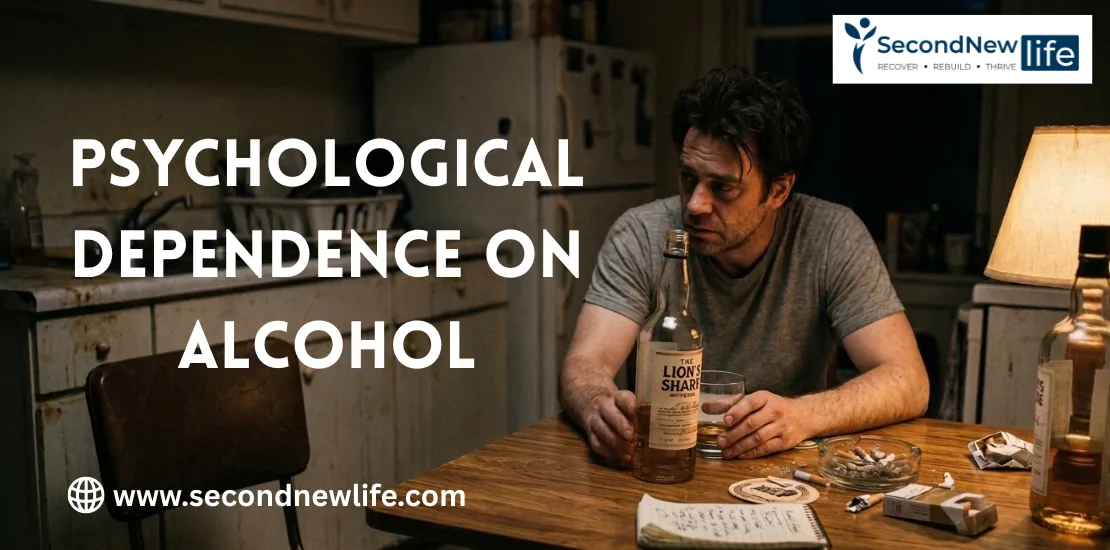
Psychological dependence on alcohol is the emotional and mental process that leads to craving for alcohol to feel pleasure. This process of addiction recreates the addiction structures according to the craving and mental obsession. The individual with psychological dependence sometimes has urges to drink alcohol because it gives temporary relief and reduces craving effects. But with respect to time, small alcohol consumption leads to addiction and interference in daily life, relationships, and mental health. Psychological dependence is connected to emotional reliance that forces the individual to want emotional support and stability from another person.
Signs and Symptoms of Psychological Dependence on Alcohol
The people who continue the psychological alcohol dependence treatment process seem to have different signs and symptoms that are genuinely visible. The early signs of alcohol addiction are regulated as a dependency for the body, which needs more alcohol to feel normal or achieve desired effects. Consumption of alcohol can stabilise the body when a person gets addicted to alcohol. Sometimes the symptoms not only harm the health, but can also be responsible for life-threatening conditions.
The symptoms that really happen due to alcohol psychological dependencies include:
- Uncomfortable feeling without alcohol
- Increases the craving in emotional reality
- Think alcohol can escape the problem
- Drinking craving imagination
- Doing unethical activity without alcohol
Comparison Between Physical And Psychological Alcohol Dependence
Psychological and Physical Alcohol Dependence are two different interconnected processes of the body. Both act differently, but are related to the chronic, relapsing, and remission process.
| Aspects | Psychological Dependence | Physical Dependence |
| Focus | Mental and emotional, Habit-based | Internal bodily changes or physiological adaptation |
| Behaviour | Increase the craving and negative consequences of drinking | Drinking to avoid feeling physically unstable. |
| Root | Triggered by stress, people, and anxiety | Triggered by the absence of alcohol |
| Symptoms | Irritability without drinking | nausea, vomiting, sweats, tremors, headaches |
Risk Factor of Psychological Alcohol Dependencies
Between Psychical and Psychological addiction to alcohol, psychological dependence affects the body mentally, which can cause mental health illness. The risk factors appear in different conditions and different states of the body. It refers more specifically to an individual’s emotions, attachment and behaviours like
- Disorders in mental health
- History of trauma
- Addiction history in the family
- High-stress lifestyle
- Social drinking culture
Impact on Mental And Emotional Health
The more you consume alcohol, the more you get addicted to it and feel low and unstable, which affects your mental health. This unhealthy impact leads you to go through the mental uncertainty that can have a negative impact on mental health conditions. The impacts that severely-
- Increased anxiety and depression
- Low self-esteem
- Relationship conflicts
- Reduced coping skills
- Risk of progression to physical addiction
Note: People facing normal and higher risks of alcohol consumption regularly are advised to contact alcohol addiction recovery centres to overcome the risks and continue a healthier lifestyle.
How Psychological Alcohol Dependency Affects Daily Life?
The risk factors and the mental impacts are the experts’ reviews of side effects for an alcohol addicted individual. But how does a psychological dependence on alcohol affect daily life? A normal life goes more healthily without any disorder or addictions. People are facing real-time social challenges in their day-to-day life when they get addicted to any drug or alcohol. The impact can be anxiety, depression, low confidence and vulnerability increases.
When an individual is suffering from alcohol psychological dependencies, they face poor and irregular work productivity, poor decision-making, problems in sleep patterns, financial difficulties, and social isolation. The difficulties are not permanent, it can be overcome through different treatment options and the right therapies.
Treatment Options For Psychological Alcohol Dependence
Every drug dependence has alternative options for recovery. The therapy is required to tackle daily challenges that the individual faces in their daily life. Not all treatments are used for a short-term period, but they are effective for the long term to treat addiction permanently. These are the treatment options for the psychological effects of alcohol, with up to 90 per cent of recovery as below
- Cognitive Behavioural Therapy (CBT)
- Motivational Interviewing
- Group and Individual therapy supports
- stress management and relaxation practices
- Dual diagnosis treatment
Basic Steps To Recovery For Alcohol Psychological Dependencies
Psychological alcohol addiction is the most challenging dependence for the healthcare expert. Not only a single practice, but also the different therapies and modern techniques to reduce alcohol dependence. But every advanced therapy needs a primary recovery treatment before an individual seeks a healthcare professional.
- Self-awareness and acceptance: The first step is being self-aware and accepting the truth by realising how alcohol is getting more harmful day by day when taken regularly. Try struggling yourself to free yourself from alcohol before it becomes addictive, be positive about your health and find the appropriate therapy options.
- Identifying triggers: Like Peer pressure, sexual trauma, mental health and more, to identify early and diverge the path through therapy. By identifying one’s own trigger effects.
- Developing healthier coping mechanisms: A coping mechanism is an alternative activity to overcome the consumption of alcohol. The process brings you back when you feel a craving for alcohol and keeps you busy with medication, yoga, exercise, and a hobby that brings joy to fill the gap of alcohol craving.
- Building a support system: A support system directly connects to the social engagement that helps you feel refreshed and improve positivity to treat addiction. The group can be a friend circle, family, or rehab group.
- Seeking professional help: Seeking professional help is the safest method if the primary therapy goes against the body. Sometimes dependence on alcohol causes addiction. Follow the prescription guidelines and get effective medicine for alcohol addiction treatments if needed, and relevant therapy options.
Frequently Asked Questions – FAQs
Yes, alcohol is both a psychologically and a physically addictive drug. The symptoms are different for both; physically, it shows shaking and seizure effects, while psychologically, it creates a greater craving for alcohol. This is the likely answer to anyone searching for “is alcohol a physical or psychological addiction”
Alcohol leads to psychological dependence by altering the brain’s craving effect towards alcohol, and can cause negative reinforcement, such as anxiety and stress. When alcohol consumption converts to an addiction that affects the brain and changes brain chemistry, it greatly increases the psychological need for alcohol.
The psychological causes of alcoholism include alcohol for stress, anxiety, depression, and trauma, and low self-esteem as a coping mechanism.
Mood instability is a common psychological problem in alcoholics. It is the most common condition, with up to 42 per cent of people affected by alcohol use disorder(AUD).
Conclusion
Psychological alcohol dependence requires the same pattern that helps the individual to treat alcohol addiction. Overall, on the positive side, a person needs awareness of drug addiction, changes in behaviour, joining support groups and correct therapy in time. When someone wants to build a healthier career, they need a coping strategy; promoting mental well-being and social support are the prioritised steps to start. Understanding the treatment methods of psychological addiction alcohol and regaining control over life, and keeping long-term sobriety.