
Ketamine vs TMS Which one Better for Depression?
- February 20, 2026
- Posted by: olivia rodrigo
- Category: Uncategorized
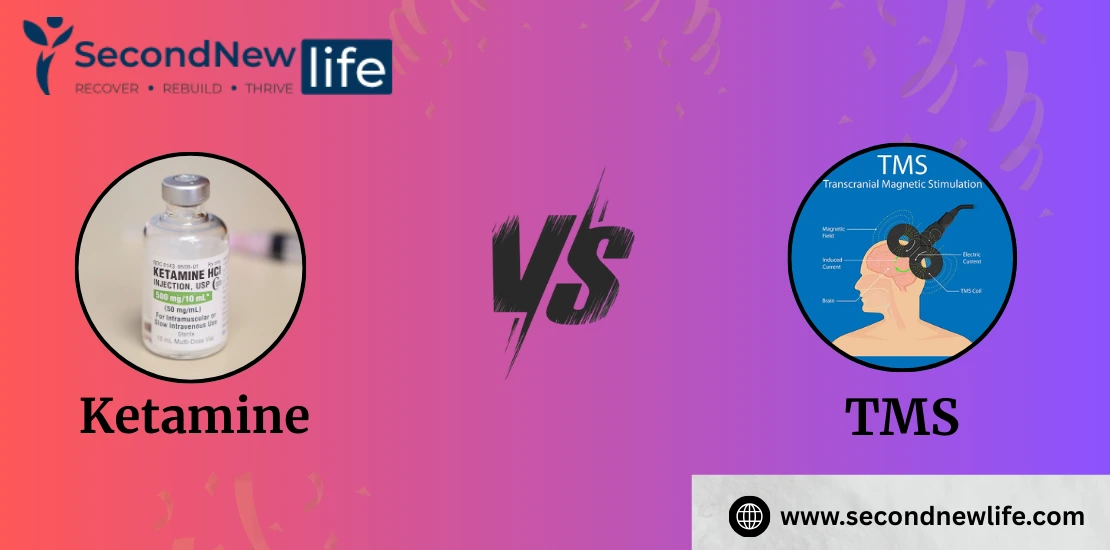
Psychiatrists generally use Ketamine and TMS(Transcranial Magnetic Stimulation) for mental health conditions that are designed to treat depression and other mood disorders. As they are both available with cutting-edge technology. After knowing about this effective treatment, individuals starts compare Ketamine vs Tms for depression and ketamine vs tms for anxiety to find the best option for them. Specifically, people start discussions related to treatment experiences because in today’s growing world, both treatments provide different experiences. That’s why we are here to clear your doubts in detail through our article.
Find The Difference Between Ketamine And TMS
Information About Ketamine
Ketamine is an anesthetic medicine that has been used for decades to help people stay asleep during operations. It distracts the path of receiving signals from the brain. In a study, doctors found that people suffering from anxiety, PTSD, and depression can also be treated with ketamine therapy. In this therapy doctor provides ketamine for depression to patients in a smaller quantity in a safe clinic setting.
When other drugs failed in there result, ketamine reduces negative thoughts and improves mood quality. However, in the long term, a person may become physically dependent on the drug, but the psychological addiction is far more acute. Although the causes of Ketamine addiction might vary, they frequently involve: Self-medication
Information About TMS
TMS therapy is an non-surgicall treatment that stimulates a specific area of the brain by using gentle magnetic pulses. This is mostly used as tms therapy for depression, especially where medicine failed to deliver the result. After TMS therapy, people can hang out or do their activity easily because Like other medicines, TMS does not need any surgery or anesthesia. As every medicine comes with some side effects Tms also has side effects, but in minor quantities. The only reason why people used to choose this treatment for depression is to help improve energy, mood, and overall body. This treatment can be done multiple times a week.
Working Mechanism of Ketamine and TMS on Depression
By affecting glutamate Ketamine drug is used to work faster in the brain. Glutamate is an important chemical that works to create new connections or to form connections in the brain by improving moods within a day or within a hours by the help of Ketamine treatment. TMS stimulates the whole area where the brain is linked with mood. During this treatment, a small-sized device needs to be placed, and it sends its magnetic pulses to the brain, which helps to activate mood controls that are placed near scalps. As it is an non surgery treatment, you do this while you are in awake mood.
Working Mechanism of Ketamine and TMS on Anxiety
Ketamine works actively by increasing glutamate in the brain that develops neuroplasticity and restarts the dysfunctional stress pathways. That provides 1st relief, especially when it is used for anxiety, it provides relief with in a hours. When comparing Ketamine vs TMS cost, ketamine might get a budget-friendly session, but it can differ in different clinics, while TMS will be included in every therapy session. Some delivery explores experience ketamine and TMS simultaneously to strongly improve neuroplasticity and its long term-outcomes.
Comparison of Ketamine and TMS Side By Side
This difference table focused on ketamine and TMS therapy, outlining mechanisms, Conditions Treated, Onset of Effectiveness, and Duration of Treatment, while also exploring whether ketamine and TMS treatment at same time is beneficial or not.
| Category | Ketamine Therapy | TMS (Transcranial Magnetic Stimulation) |
| Application | Available as a nasal spray (esketamine) or IV drip (in the role of anesthetic). | Non-surgical application through a helmet-like device with an electromagneticdevice. |
| Conditions Treated | suicidal thoughts and depression can be treated through a nasal spray that is approved by the FDA, with the promise of PTSD and anxiety. By using IV ketamine for depression. | The FDA only allowed for major depressive disorder (MDD) and obsessive-compulsive disorder (OCD); also impactful for bipolar disorder, anxiety, borderline personality disorder (BPD), eating disorders, and PTSD. |
| Onset of Effectiveness | Can get 1st relief onset; relief can be seen within a few hours or days. | It shows lasting effects compared to ketamine, but after several sessions |
| Duration of Treatment | With taping overnight, the monitors were administered in every two hours in the middle of using the nasal spray | A single cost lasts about 30 minutes after one session minimum course consists of 30 sessions |
Side Effects of Ketamine and TMS at the Same Time
Here, we will discuss some potential side effects that can be seen with the Ketamine and TMS combination or while consuming Ketamine and TMS together.
Neurological Side Effects
- Headache
- Migraine flare
- Dizziness
- Lightheadedness
- Vertigo
- Fainting (rare)
- Seizures (rare but serious)
- Tremors
- Muscle twitching
- Jerky movements
- Numbness
- Tingling (paresthesia)
- Coordination problems
- Unsteady gait
- Slowed reflexes
- Blurred vision
- Double vision
- Dilated pupils
- Eye pressure sensation
- Sensory hypersensitivity (light)
- Sensory hypersensitivity (sound)
- Ringing in ears (tinnitus)
- Scalp discomfort
- Facial muscle pulling sensation
- Jaw tightness
- Neck stiffness
- Brain fog
- Slowed thinking
- Confusion
- Disorientation
Psychological / Psychiatric Side Effects
- Anxiety
- Panic attacks
- Agitation
- Irritability
- Restlessness
- Emotional instability
- Mood swings
- Euphoria
- Dissociation
- Depersonalization
- Derealization
- Hallucinations (visual)
- Hallucinations (auditory)
- Paranoia
- Suspiciousness
- Racing thoughts
- Insomnia
- Vivid dreams
- Nightmares
- Increased depression temporarily
- Suicidal thoughts (rare but serious)
- Mania (especially in bipolar disorder)
- Hypomania
- Emotional numbness
- Overstimulation
- Social withdrawal
- Fearfulness
- Feeling “unreal”
- Impulsivity
- Reduced inhibition
Drug Interactions
When comparing tms vs ketamine for ocd, it is important to understand drug interactions. Transcranial Magnetic Stimulation (TMS) is a non-invasive treatment that uses magnetic pulses to stimulate brain areas linked to mood and obsessive thoughts. It does not involve medication in the body, so it has very few drug interactions. Most antidepressants can be continued while being treated with TMS.
Which is better, ketamine or TMS?
When we start a comparison between these two drug is then let us inform you that both have good results for treatment and resistant depression with ketamine, providing fast relief. Whereas delivers more lasting and for long-term results, it can be for months or years with minimal side effects.
Summary
In Summary, after comparing both Ketamine and TMS, we found that both medicines are effective in hunman body to treat problems. But TMS has more benefits than Ketamine. For example, TMS is available with low side effects and better lasting effects. But before using any of this, make sure you have a proper prescription. If you ever feel any side effects that were given up, then consult with a doctor on an immediate basis.
