
Is Morphine an Opiate? Drug Classification, Effectiveness & Health Risks
- April 10, 2026
- Posted by: olivia
- Category: Uncategorized
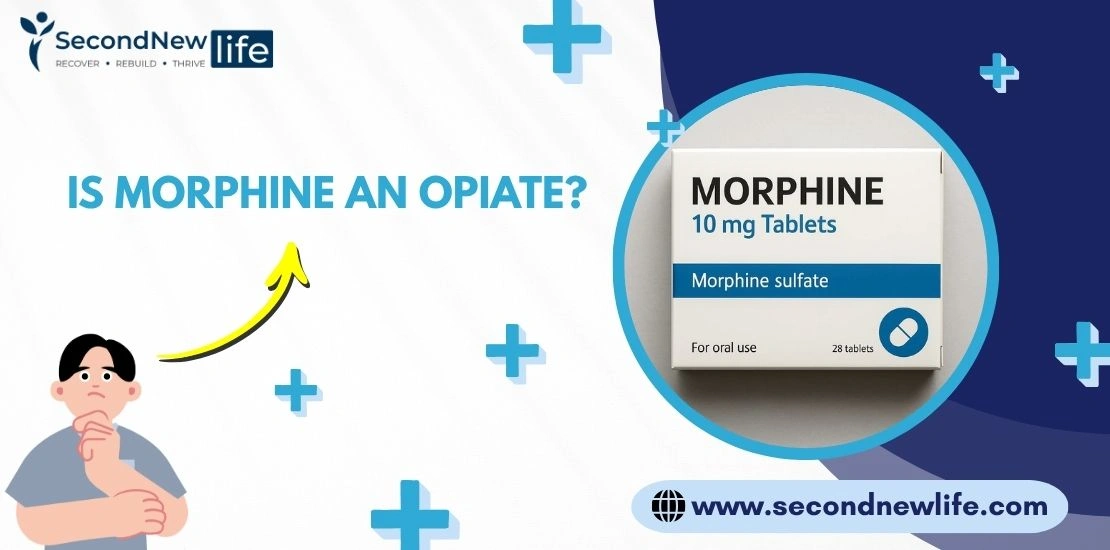
Morphine is a sensitive drug helpful for patients going through mid-level to severe pain. It is a central nervous system depressant that acts on the brain nervous system to suppress the desired health issues. Though it is found naturally from opium poppy plants, many people have concern that, is Morphine an opiate or opioid substance. The whole article will help you understand the Morphine classification, its working mechanism, side effects, interactions and addiction treatment process for safe use. It is preferable to talk to the medical professionals to get more knowledge on these highly powerful substances before you take them.
What is Morphine & How It Works in the Body?
Morphine is a natural substance and a strong antidepressant for chronic pain disorders. It is a highly addictive drug that works on the brain tissues to counter the pain. The opioid receptors are the natural chemicals available in every organ of the body to send the signals of several sensations. After consumption, Morphine binds to those receptors, blocking pain signals from reaching the brain’s central nervous system and interrupting the signal flow between the brain and the body.
Due to this, the brain’s perception of responding to any signal is changed and it effectively provides relief from pain. Take Morphine if other non-narcotic medicines do not work well, only after visiting the doctor. These are highly addictive and habit-forming drugs, so prescribed for a short period to achieve safe relief and minimise the Morphine addiction risk.
Is Morphine an Opiate or Opioid Drug?
Morphine is generally found naturally in a specific plant called the opium poppy. As it is a natural alkaloid, specifically classified into the opiate drug class. But, since opioids are the modern medical term for all natural, synthetic and semi-synthetic substances, Morphine pain relief drug is also called an opioid or narcotic analgesic medication. These are the prescription drugs and are available in several forms like syrup, tablet and injection. As it is a habit-forming drug, its misuse can cause respiratory depression and lead to severe dependency. So, the doctors always prescribe Morphine for a short-term period to avoid adverse effects.
How to Use Morphine Opiate for Chronic Pain?
Morphine opiate, comes as a solution for many rare health issues. It is available in immediate-release, extended-release, injection and tablet form for acute pain. The expert suggests the best possible form of spending on the health condition, age and pre-existing issues of a person. It is very beneficial for moderate to chronic pain which other opioid or non-opioid drugs are unable to give desired results. Also, it is mostly used in clinics for cancer treatment, overall life-care, palliative and sickle cell diseases.
For a wide range of severe pains such as abdominal pain, chest pain, surgery, respiratory difficulties, cardiac emergencies and musculoskeletal injuries, the Morphine is always present in the emergency departments. Always follow the clinical prescription to get over pain safely and talk to the doctors about the treatment of opioid drug addiction as well.
What are the Side Effects of Morphine?
Morphine uses and effects are both associated with each other. If your desired pain is not treated well while taking Morphine, it can cause several short-term and long-term unusual health effects. Later on, the effects can lead to addiction. Visit your pharmacist if you experience any unusual reactions and Morphine side effects before consumption. The possible health effects are listed below.
Short-Term Effects
- Constipation
- Slow sex drive
- Appetite loss
- Insomnia disorder
- Increased tolerance
- Nausea
- Respiratory disorder
- Unstable blood pressure
- Headache
- Sweating
- Tiredness
Long-Term Effects
- Severe drowsiness
- Swelling of the eyes, throat and face
- Seizures
- Hallucinations
- Changes in heartbeat
- Loss of alertness
- Swallowing difficulty
- Unusual weakness
- Dry mouth
- Anxiety
- Hives
- Abdominal pain
Safety Precautions to Follow
Morphine pharmacology explains clearly about the pain relief process, proper use, harmful reactions and precautionary measures to follow when you take Morphine. It is a vital drug work effectively when people consume the pills as per the clinical guidelines. Along with that, it is mandatory to follow the necessary warnings and safety precautionary measures to avoid serious health risks.
- Do not take interacting drugs with Morphine, such as ibuprofen, aspirin and paracetamol.
- Avoid taking if you have allergic reactions to this opioid tablet.
- People should not take Morphine if going through breathing issues, asthma and stomach or intestinal blockage issues.
- Taking narcotic pills during pregnancy and breastfeeding can result in harmful withdrawal symptoms.
- Never take alcohol with Morphine.
Is Morphine Addictive?
Morphine is highly addictive in nature as it operates on the opioid receptors present in the brain and spinal cord to change the response of the brain toward any signal and provide pleasurable sensations. It can manage the pain effectively when consumed as per the prescription but its abuse can lead to certain dependency, addiction and side effects. Even patients using the Morphine drug class for legitimate health issues can also experience addiction if not monitored carefully. To eradicate the effects of addiction safely, research on the modern approaches followed for the recovery and join the rehab programs for effective Morphine addiction treatment.
Frequently Asked Questions (FAQs)
Morphine is an opioid medication that works on the CNS of the brain to counter severe pain. Long-term use of these drugs can cause addiction and dependency. If you suddenly stop taking the pills after prolonged use, it can cause several significant withdrawal symptoms. In this case, seek the rehab centres for effective withdrawal treatment with desired medical facilities.
If you take a high dose of Morphine, it can cause seizures or an epileptic attack, whereas rapid low-dose intake causes sedative disorders. Due to its highly addictive property, it is generally advised for a short-term period to counter any severe pain. To cure the epileptic effects, with the doctor’s suggestion, take Naloxone tablets depending on the severity.
Conclusion
Morphine is a powerful painkiller medication naturally found in opium plants. It is an opiate drug which medically termed as an opioid medication. Especially, the doctors suggest Morphine to provide relief from any kind of pain. It has many medical uses other than pain relief. With high effectiveness, the misuse can cause addiction as well as multiple unusual health risks. This article will provide you with all the necessary information, like the mechanism, uses, side effects and rehab process for addiction to help you with better pain management. Before taking Morphine must visit the doctors and follow the prescription as it is.