
Is Alcohol A Depressant Or A Stimulant? Know About Alcohol Dual Impact
- March 17, 2026
- Posted by: olivia
- Category: Health Tips
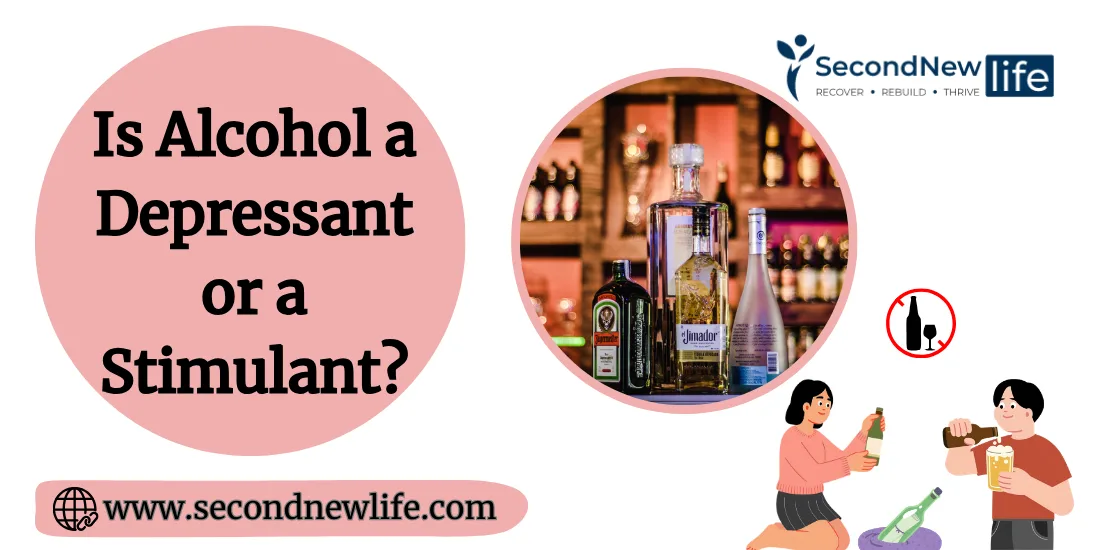
Alcohol has become a huge essential party staple worldwide and is associated with occasions, celebrations, and random relaxation. It is often seen that some drinkers encounter an enjoyable state after knocking back a few drinks, while others experience negativity. It makes people wonder why the same substance shows dual natures, meaning in a few cases, alcohol reflects more alertness as a stimulant, and in others, it triggers the reduction of alertness as a depressant. Thus, many people have consulted “Is alcohol a depressant or a stimulant?” To shed light on this precise matter, we have decided to use this blog to address it. Read today’s blog, and by the end, you will understand whether alcohol is a stimulant or depressant.
Depressant vs Stimulant
Before going into knowing whether alcohol is a depressant or stimulant, we will understand what we can name as a depressant and what as a stimulant, so that it becomes simpler for one to understand. So, basically, a substance is counted as a depressant when it reduces the activity of the mind; these are mostly used for sleeplessness, busy minds, and panic conditions. Whereas stimulants work completely differently. They enhance alertness, heart rate, and brain activity. Often used for issues like ADHD, fatigue, etc.
Why Alcohol Shows A Dual Effect?
It is widely noticed that drinking alcohol can create two different experiences; now we will understand why it happens. It occurs because, as you start to drink, your BAC stays below 0.05mg per liter. In this stage, one might go through a happy hour or excitement. But as the drinker keeps drinking in the chase of more of this stage, and it crosses 0.08mg per liter. That is when consumers usually start facing the depressant effects of it.
Is Alcohol a Depressant or a Stimulant?
Well, as alcohol initially creates a feeling of happiness, people most likely tend to mistake and think alcohol is a stimulant. But it is not. Scientists and research committees have repeatedly given statements that alcohol is a depressant. By saying this, it means this substance turns down the work of the central nervous system. This ends up turning down your system and affecting your speech, walking, and even your perspective on the world around you.
Why Is Alcohol A Depressant?
Alcohol as a depressant is well known among researchers in the world. The reason its depressive properties arise is that it chemically reacts with the brain. As someone who consumes alcohol, it mimics the work of GABA present in the brain. So, as an outcome, it produces sedative effects and relaxation. Nevertheless, this substance is also responsible for causing the reduction of other excitatory neurotransmitters such as glutamate, which adds to more sedation and minimizes the entire activity of the brain. Because of alcohol’s ability to reduce reaction rate and heart rate, it is considered a depressant.
How Alcohol Affects The Brain & Behaviour?
Knowing the effects of alcohol on the brain matters for one to understand Is alcohol a depressant or a stimulant?’’ better. Alcohol, as a central nervous system depressant, brings a few adverse effects, especially on the consumer’s brain and behaviour. And, as said, this drug affects cognitive functions, motor impairment, talkativeness, and brain chemistry related to alertness. In addition, one of the most deadly things to know about this drug is that it has extreme addictiveness, which mainly includes psychological dependency on alcohol. This is definitely not something to take casually, as it can take lives. That is why alcoholism treatment is accessible far and wide.
Other Side Effects Of Alcohol
As people type Is alcohol a depressant or a stimulant?’’ on the internet, they also expect to find the most probable negative effects it can bring. This is why we are going to know some common effects a seasonal drinker can face in the short and long term.
Short-Term Effects
- Blackouts
- Hangovers
- Slurred speech
- Vomiting
- Sleepiness
- Alcohol poisoning
- Reduction in motor control
- Disruption in coordination
- Not having a stable mood
- Choking on vomit
Long-term Effects
- Liver cirrhosis
- Liver cancer
- Coma
- Break down the immune system
- Dementia
- FASD
- Reduce bone density
- Damage to the nerves
- Liver hepatitis
- Leaky gut
- Diabetes
- Inflammation in the pancreas
How To Quit Alcohol Safely
It is common among drinkers, mostly regular drinkers, to think at some point that they want to cut down on alcohol drinking. And to be honest, that is a brave move itself. Alcohol dependence is much more psychological than it is anything else. To replace a drinking habit, you can do yoga, exercise, or try herbal drinks like tea. Moreover, there are natural methods to quit drinking habits. But if you have reached the extreme phase and natural ways are not strong enough for you, then effective treatment medications, professional sources, and rehab for alcoholism are accessible far and wide.
FAQs
To be frank and clear, no alcohol is healthy in any way. If you are drinking any alcohol, thinking it is safe, but well, stop fooling yourself; it is not. But comparatively, wine brings less risk than others.
Mixing cigarettes with alcohol is a deadly combination and increases the chances of cancer. So, do not only aim for more buzz, but also think about your health as well.
Comparatively, we can say weed brings less risk, while alcohol can create liver issues that can take one’s life. However, for details, see this.
Closing Note
Being at the bottom of this health tip, we must say, do not take alcohol impulsively. Always remember, its happy hour is not very long-lasting. It is the depressant phrase that might haunt you if you drink like a fish. Though it is better to avoid a deadly substance like this, as it can have an effect on the drinker’s overall health.