
How to Quit Smoking Weed? Understanding Dependency, Techniques and Benefits
- February 26, 2026
- Posted by: olivia
- Category: Health Tips
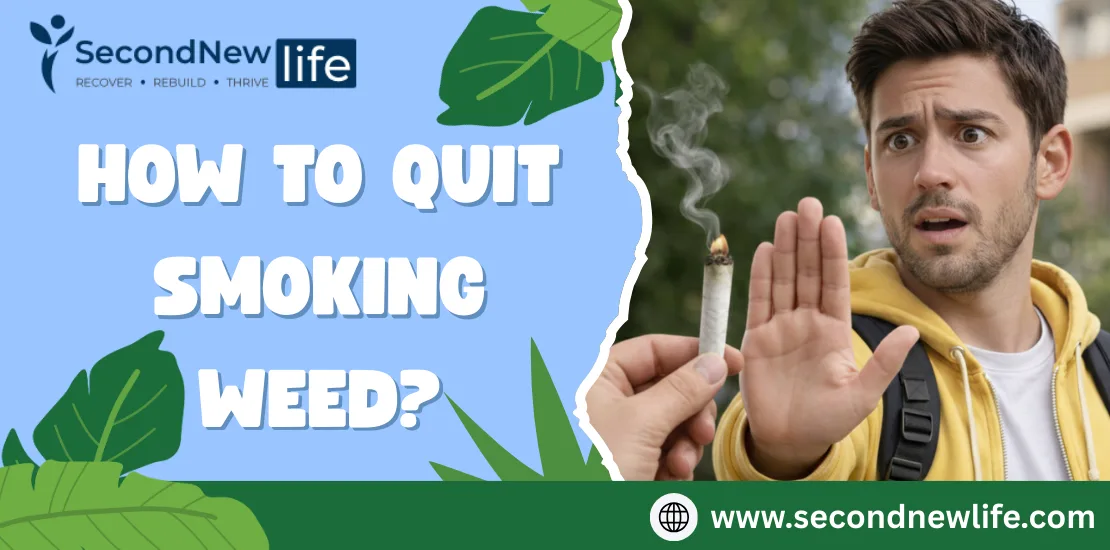
Consuming Weed (cannabis) is the largest illegal trend worldwide, with 17.7 million regular users after 2022. With the increase in cannabis users, most of the countries have legalized the uses including the United States, Canada, and Nigeria. A study shows that many people are getting addicted to weed over time. People get distracted from their path and lose everything, including mental stability, emotional control, financial stability, and productivity. When they realise the mistake and find a solution to overcome consuming weed, they are forced to search “How to quit smoking weed?” on the internet.
People may feel stuck, depressed, and mentally harassed on every puff of weed. If you think about quitting weed and don’t know where to start. This article helps you with the quitting process of weed, strategy, social challenges and long-term benefits.
What is Weed?
Weed is a herbaceous plant that produces psychoactive drugs used for recreational and medicinal purposes due to its psychoactive compound, Tetrahydrocannabinol. This drug acts differently for different individuals; some claim that weed has a positive side to reduce anxiety and increase mental health. But the majority of people find “how to quit weed smoking” because they feel restlessness, irritability, and aggression after taking weed. Weed is the common name of cannabis(Marijuana), which can be consumed by smoking, vaporising, or ingestion.
Marijuana is the second most addictive drug after alcohol. It is considered a criminalised drug in different countries, but legal for medical uses. Marijuana helps in different medical uses, but taking it addictively may cause serious risks and life-threatening consequences.
Why Do People Choose to Stop?
Addiction to marijuana in young adults is increasing rapidly. People take weed for short term effects of joy and calmness. When they get addicted to smoking weed, they are faced with an inability to manage finances, work or education, mental clarity, career, and relations with family and friends. But, stopping smoking weed is not easy for many people; those who are severely addicted develop significant dependence on cannabis.
THC (tetrahydrocannabinol) is the main compound of cannabis for mind altering effects and altered sensory perception. The working mechanism process called “disinhibition” is pretty different from other mind-altering medications. It works as a natural cannabinoid that combines with the CB1 receptor to give its effects by triggering a surge of dopamine in the brain.
The weed can be used for medical purposes, but taking it regularly exacerbates mental health issues like anxiety and depression. For the people who are questioning, “Can you have withdrawals from weed?” The answer is “Yes”. Quitting is possible with the right strategy and support. When you are looking to stop smoking weed, your self-motivation is a better weapon than your medications. Because no specific medications are prescribed to be effective for cannabis withdrawal.
Understanding Weed Dependence
Weed dependence is a diagnosable condition for every cannabis user. The use of weed more than the limit causes physical dependency, such as craving, loss of control, anger, and depression. According to researchers, Cannabis Use Disorder is found mostly among those who are addicted to weed.
Signs of Dependancy
Sign of dependency on weed align with the different conditional factors, including physical, psychological, and behavioural indications. The stage of low weed consumption signifies the mind to the presence of more substance to avoid discomfort. The factors are the signs of dependency on weed:
- Loss of control
- Tolerance
- Withdrawal Symptoms
- Neglecting Responsibilities
- Intense Cravings
- Continued Use Despite Consequences
Best Way to Quit Smoking Weed: Preparation & Techniques
Not every addiction is treated by medications, but also by preprocessed methods and techniques. Smoking weed is an addiction that is treated with techniques and proper guidance rather than medication. Most of the smoking addicted people tried home remedies before admitting to an expert. There are many methods and techniques available that help you to revive without visiting a health centre.
Prepare Yourself Before Quitting Smoking Weed
If you want to quit smoking weed, then you need proper guidance and protocol for it. No matter how late it is. Addiction to weed is common and can be treated with available treatment methods. But the advanced treatment methods work when the common remedies are not working to stop smoking weed. The mentioned methods help you to find the best way to quit smoking weed.
- The primary step for healthcare experts who examine addiction and advise how to deal with it.
- The next step is to structure a whole-day schedule with activities that help you to quit smoking.
- Exercise and medication keep you fresh and motivated toward your goal. Make a common time for waking up and sleeping.
- Change your diet plan and surroundings that do not force you to again become addicted to weed smoking.
- Do your favourite activity, which gives you peace and internal satisfaction.
- Make a busy schedule, go on outings with friends, watch motivational videos and read novels that help you create a positive vibe in you.
- Find your goal and overcome the negative elements like depression and stress to stay motivated.
Techniques to Stop Weed Consumption
Quitting smoking weed needs preparation before executing it into the technique. Techniques are most important when you are ready to quit smoking weed. It is not only a process, but the treatment that helps you to control yourself to quit weed as soon as possible. By following these quick techniques, overcome your weed addiction.
Gradual Reduction vs. Cold Turkey of Weed: Choose Any One
When you are ready to quit smoking weed, there are only two options available for an individual: one is gradual reduction, and the other is cold turkey. Both techniques are used under certain conditions; the gradual reduction is achieved by tapering the use of smoking weed. While the cold turkey approach is sudden and instant, quitting the use of weed. The withdrawal symptoms are more intense for the cold turkey techniques, but people are choosing this method for some reasons.
Use the 10-Minute Rule
The 10-minute rule is known for “delay and distraction”. This method is important, effective, and proven as a behavioural technique that helps to avoid the craving by distracting activities. The craving period for an addicted person is up to 7 to 20 minutes. When you feel the urge to smoke, the rule reminds you to keep avoiding a minimum of five minutes with other activities. The cravings are not permanent. This is a feeling that increases and decreases with time. This process is delaying your craving towards smoking weed to 10 minutes, 15 minutes and so on.
Strategy to Handle Craving
To handle cravings at the time of quitting weed, try different cognitive strategies to overcome the craving effects through physical breathing and mental peace. The process is all about replacing habits through small activities and interests. The activity includes body hydration, exercise, journaling, sensory replacement, do not skip meals, enough sleep, increase proteins, and practice to control cravings.
Social Challenges
Most of the people may face social challenges during the quitting weed timeline. These challenges are hardest when you are in a recovery stage from smoking. Different challenges take you back to your older stage to get addicted again to smoking. But, ignoring the social difficulties is a good sign to quit your habit of smoking weed. It may include talking to friends who still smoke in front of you, minimising your own circle to avoid smoking. Sometimes finding sober communities that help you recover easily and reduce temptations and triggers, and handling peer pressure.
These steps are used in basic and primary care only to help stop smoking weed without an expert visit. To get professional care, visit a weed addiction treatment centre for more withdrawal options.
Timeline of common Weed withdrawal stages
Every time you apply quitting methods and techniques to your daily routine, it indicates how withdrawal affects life changes. With respect to the time interval of quitting weed, the changes in body upgraded to the peak level. The Weed withdrawal timeline starts from 24 to 72 hours after stopping its use. The different symptoms may be faced at the time of withdrawal, but the process is very effective for the long term (focus, career, productivity, and relationships).
Day 1-3: The first stage of non-consuming weed may be challenging for people who smoke regularly. These 3 days, people may experience anxiety, depression and irritability.
Day 3-6: Days 3 to 6 without smoking weed are the peak days for the smoker who is heavily taking weed. During this timeline, people may suffer from discomfort, shakiness, sweating, and strong cravings.
Week 2-4: This is the stage where people feel less physical dependence than in the past 2 to 3 days. By completing 2 to 4 weeks, users get more focused, confident and healthier for continuing normal life.
Weed Withdrawal Symptoms
When you are dealing with the weed timeline, every person may experience the withdrawal effects of quitting weed. Withdrawal from smoking weed is the most challenging part when someone is really addicted to it. The withdrawal period of weed makes you uncomfortable and irritates your mind. Stopping smoking weed leads to changes in physical and mental activities. The quit weed symptoms are common and not life-threatening.
Weed withdrawal symptoms include:
- Nervousness
- Anxiety
- Anger or aggression
- Restlessness
- Decreased appetite
- Cravings
- Insomnia
- Headaches
Note: These withdrawal symptoms of weed are common and considered the first stage of quitting weed. Do not panic; seek a doctor to continue cognitive behavioural therapy and group support.
Long-Term Benefits of Quitting Weed
The benefits of quitting weed are keeping you safe and healthier for a long time. These are benefits that are related to physical, mental and psychological to the body. The positive effects of quitting weed are a good sign for the people who are distracted from their responsibilities, and focus keeps them on the right track.
- Mental Clarity and Cognitive Health: Mental and cognitive health are connected to the mind that improves the memory power, concentration and focus by reducing anxiety and depression.
- Increased Focus & Productivity: The benefit is to increase an individual’s confidence, focus and productivity. It boosts individual purpose in life and work responsibility.
- Social and Lifestyle Improvements: After quitting smoking weed, people find major changes in their past and present lifestyles. They start their life from introvert to extrovert by interacting with friends, family, and strangers.
- Improvement in Physical Health: Physical improvement leads to better physical health, strength, and healthy lungs for better sleep quality and being active to do work with accuracy.
- Financial savings: The financial structure for saving will be developed, and more money will be saved due to the non-consumption of cannabis.
- Stronger self-discipline: No use of weed or other substances makes you a strong and independent person who is always eager to work efficiently and make their own decisions clearly.
Need for Therapy or Counselling for Quitting Weed
A massive number of people are looking for “how to quit smoking weed easily”. The term sounds easy, but when it comes to applying it in real life, it is too tough. The primary techniques can be used to quit smoking weed, while therapy is the basic need to cure permanently. Consulting a therapist when trying to quit smoking does not work correctly. Be treated with the supervision of a therapist who guides the methods for weed addiction treatment, addiction treatments for alcohol, and for other prescription drugs.
FAQs
How to quit smoking weed every day?
Smoking weed every day is an addiction that can be cured through correct guidance and support. Make a schedule for each day, take advice from experts, do exercise and medication, stay busy in different activities that help you to avoid smoking.
How to quit weed and alcohol at the same time?
Weed and alcohol are both harmful to health. Quitting both at the same time causes severe withdrawal symptoms. Seek a healthcare expert and follow the instructions for quitting bath alcohol and weed.
Does smoking weed damage your lungs?
Yes, smoking weed can damage your lungs. It affects your lungs by airway damage, respiratory symptoms, lung infections, and other lung diseases.
How long does weed stay in system after quitting?
The detection window of weed found in different parts of your body lasts for a long time. It stays in blood vessels for up to 48 hours, saliva for 3 days, urine for 30 days, and hair follicles for 90 days.
Conclusion:
Quitting smoking weed is a good decision for an individual to stay healthy for the rest of their life. It structured mental health, physical health, and social lifestyle to connect with a healthy nature to increase focus and productivity. Smoking weed is a habit that leads you down the path of destruction. In the process of being cured, you’re not giving something up; you’re building something better because change is uncomfortable but possible.