
Weed vs Nicotine: Which Substance Hits Stronger?
- February 19, 2026
- Posted by: olivia
- Category: Drug information
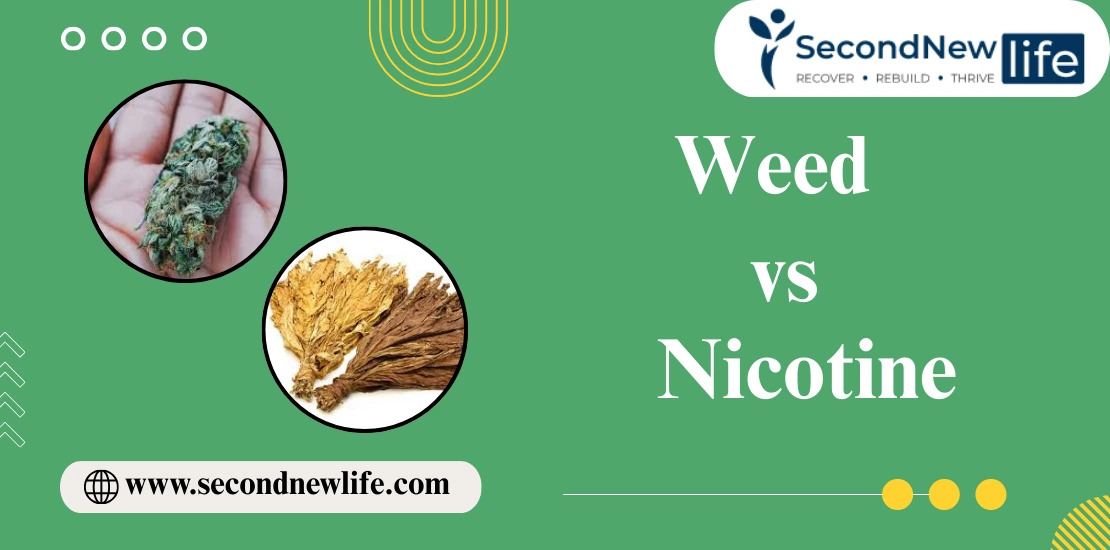
Weed and Nicotine have become the frequently discussed topic on social media. Those are the widely used substances for relaxation. Some use Weed or Nicotine to relax and deal with stress but some are abusing them as a daily routine. Over time in some places, it has been a part of tradition and culture. Both substances are psychoactive substances and harm badly to your health. Weed and Nicotine are both differ from each other by their effects on the brain. Exploring the comparison of Weed vs Nicotine gives you a clear understanding of these two substances, with their uses, health risks, and how to quit.
What Is The Difference Between Weed And Nicotine?
Weed and nicotine are both different substances. Weed extracts from cannabis plants and nicotine are chemically found in tobacco plants. Both are different in the way of affecting the body. Weed affects the brain by changing the mood but Nicotine works as a stimulant and increases alertness and energy for a short time period. To know more details on the differences you have to know about these two substances including how they work, risks, and benefits.
What Is Weed?
Weed is extracted from the plant called cannabis. It is also known as marijuana and used for relaxation, medical purpose and sometimes for fun. THC is the main active chemical in the weed. THC affect to the brain and changes how a person feels, thinks and sees. It results to help people feel calm, happy and less stressed. Weed is also used for some medical purposes, like pain, sleep problems and loss of appetite. It can be smoked, vaped and eaten in food called edibles. The effect of weed feels quickly when smoked as compared to eating it. But it lasts longer when I have eaten.
What Is Nicotine?
Nicotine is a natural chemical found mainly in the tobacco plant. It is the active substance in cigarettes, vapes and other tobacco products. When a person takes these products nicotine enters in the blood and travels to the brain. It increases the level of dopamine which gives a feeling of pleasure, relaxation, and improved focus. These effects stay for a short time period. When the effects are depressed body starts craving more nicotine, which leads to addiction. For a long time, it converts into a dependency, making it difficult to quit. It can cause increasing heart rate, increased blood pressure nd affect the development of the brain.
Difference Between Weed And Nicotine
Weed and Nicotine have different uses and effects on the body. It comes from the cannabis plant, while nicotine is the natural chemical present in the tobacco plant. Weed contains THC and leads to changes in mood, perception and thinking. Nicotine stimulates dopamine, increases alertness and focus without creating a high. Weed is used for relaxation and some medical purposes, but nicotine is used for a quick boost of energy. Nicotine has a high addiction risk and can be used in regular basis. But weed may become addictive but usually affects users differently.
Weed vs Nicotine Effects
Weed and Nicotine have different effects on the body. It creates a relaxed, euphoric feeling and alters perception, mood and coordination. It also causes increasing appetite, dry mouth nd red eyes. Nicotine stimulates the nervous system give a short burst of alertness, focus and energy. It can cause an increased heart rate and blood pressure. While weed has sedative behavior Nicotine carries the risk of addiction. Long-term use of both substances can badly affect to your body. Weed can impact on mental health and lung while Nicotine can cause heart disease, lung problems and addiction.
Weed vs Nicotine Uses
Both Weed and Nicotine are used for different purposes. In general, weed is used for relaxation, stress relief and in some medical reasons like managing pain and improving sleep. People use it by smoking, vaping and edibles. Nicotine is primarily used for its stimulating effects and to satisfy addiction. It temporarily boosts focus, mood and energy. Nicotine is used in smoking, pipes, hookahs, and tobacco.
Weed vs Nicotine Withdrawal
Quitting from weed after long-term use can cause withdrawal symptoms like irritability, trouble in sleeping, decreased appetite and mild anxiety. Intensity of the symptoms is low and can stay up to few weeks. Nicotine also has withdrawal symptoms like physically intense, strong craving, mood swings and in some cases headache, increased appetite, and difficulty focusing. Both substances create dependency, but Nicotine addiction develops faster and creates short-term withdrawal symptoms for a short time.
Weed vs Nicotine Half-life
Nicotine has a short half-life compared to weed, about 1-2 hours. Because of its quick elimination from the body, people experience craving after some time their last cigarette or vape hit. To eliminate most of the nicotin body takes 1-2 days. Because of its fast elimination user consume it repeatedly throughout the day to maintain its effect. The main active compound of weed is THC, which has a much longer lifetime. For occasionally user, the half-life of weed is 1-3 days. But in the case of a regular user, it is stored in their fat and breaks down over time. Although the effects stay for a few hours, it can be detected for a long time.
weed and nicotine interaction
Weed vs vape affects the body differently but sometimes overlapping ways. When a user mixing weed and Nicotine the combined effect hits stronger and leads to head rush, dizziness and nausea. For long-term use, it may increase dependence and be hard to quit. Using Weed with Nicotine affect to your lungs and heart. When these substances enters to bloodstream, it increases the intensity of side effects like anxiety and dry mouth. It is dangerous to smoking Weed with Nicotine patch because Nicotine patch carries high quantity of Nicotine, smoking weed with it can increase the intensity.
How To Quit Weed And Nicotine
Daily small steps help you to quit weed and Nicotine addiction. Start by fixing a quit date and removing all the things from your surrounding which are triggers. Stay busy with daily activities like walking and drinking water. Chewing gum can help you to handle cravings. Sometimes, weed addiction treatment is needed in case of long-term weed abuse. Holistic therapies and group & individual therapy is helpful to quit. If you are thinking to replacing weed with nicotine, be careful it is not safe to switch one addiction for another. If needed choice nicotine-free options to break the cycle. Sleep well, eat balanced meals and stay active to help your body during withdrawals.
FAQ
Which is worse Weed or Nicotine?
Both weed and Nicotine are not safe for the body. But Nicotine is considered as the more harmful due to its highly addictive nature and long-term health impacts like lung cancer, heart disease, stroke and chronic respiratory disease. Weed has less risk of overdose and cancer than tobacco.
Is Weed and Nicotine the same thing?
Weed and Nicotine are not the same thing. Weed is found in the cannabis plant. It contains a psychoactive substance called THC, which makes a “high” feeling. Nicotine is a highly addictive stimulant found in tobacco plants and used in Cigarettes, cigars and vapes. It does not make you “high”.
What does Nicotine and Weed do?
Nicotine works as a stimulant and found in tobacco plants. It quickly reach the brain throughout the bloodstream and releases dopamine which creates a temporary pleasure and alertness. Weed contains THC and affects the endocannabinoid system of the brain. It leads to relaxation, euphoria, altered senses, slower reaction time and increasing appetite.
Conclusion
In the end It is a personal decision to choose between Weed or Nicotine. You should be informed that both substances affect your body differently. When comparing Weed vs Nicotine vape you should take a look at their risks, addiction and how they affect the body. Vaping either substance can cause possible side effects and can affect your lungs and heart badly. Overall health, moderation and balance are always more important than following habits or social pressure.